
Introduction
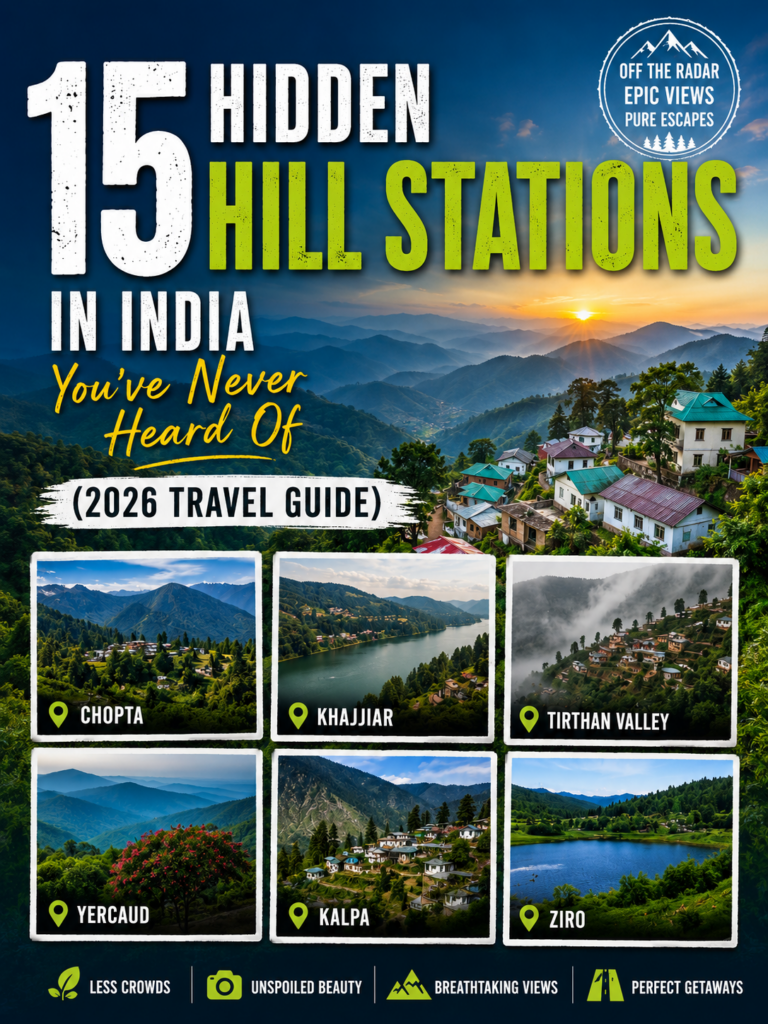
India’s mountains stretch across eight states and cover over 15% of the country’s total landmass — yet most travellers still crowd into the same dozen or so hill stations year after year. Shimla, Mussoorie, Ooty, and Darjeeling are spectacular, but they can no longer offer the quiet communion with nature that mountains truly promise.
The good news? India’s Himalayas, Western Ghats, Eastern Ghats, and northeastern ranges are home to dozens of lesser-known, crowd-free mountain escapes. These hidden hill stations in India offer everything you’d find in the famous ones — pine forests, misty valleys, cascading waterfalls, local culture, and crisp mountain air — without the traffic jams and hotel queues.
In this guide, we cover 15 offbeat hill stations across India that are perfect for travellers seeking solitude, nature, and authentic experiences. Whether you’re looking for a peaceful weekend getaway from Mumbai or Delhi or planning an extended mountain escape, this list has something for every kind of explorer.
Why Choose Offbeat Hill Stations in India?
The tourism boom of the past decade has transformed many of India’s famous hill stations. Shimla’s Mall Road now sees peak-season crowds rivalling Mumbai’s local trains. Manali’s traffic during summer holidays is the stuff of travel nightmares. Meanwhile, India’s lesser-known mountain towns remain pristine, affordable, and genuinely rewarding.

Key Benefits of Visiting Hidden Hill Stations
- Fewer crowds — more authentic, peaceful experiences
- Lower accommodation and food costs
- Untouched natural landscapes and biodiversity
- Richer cultural immersion with local communities
- Better wildlife sightings — many are near forest reserves
- Less commercialised — supports local economies directly
15 Hidden Hill Stations in India Worth Visiting in 2026
1. Zuluk, Sikkim — The Zig-Zag Road to the Clouds
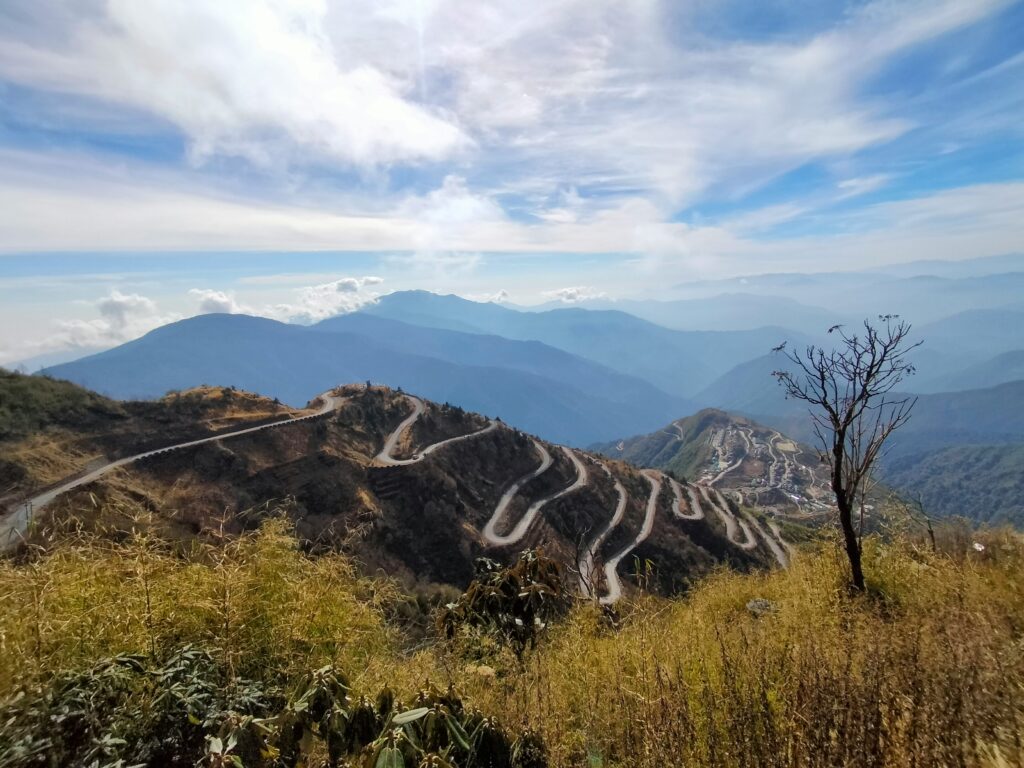
Perched at an altitude of 10,000 feet on the Old Silk Route in East Sikkim, Zuluk is perhaps the most dramatic of all hidden hill stations in India. The journey alone — across 32 hairpin bends with views of Mt Kanchenjunga, Mt Everest, and Mt Makalu — is reason enough to visit.
What Makes Zuluk Special
- Panoramic views of three of the world’s highest peaks
- The legendary Thambi View Point at sunrise
- Rich yak-herding culture and Sikkimese Buddhist monasteries
- Dense rhododendron forests and cold-weather flora
Best Time to Visit: March to May (spring blooms) and October to December (clear skies). Inner Line Permit required — apply via the Sikkim Tourism Development Corporation.
2. Munsiyari, Uttarakhand — The Little Kashmir of the Himalayas
Known locally as the ‘Gateway to the Johar Valley’, Munsiyari sits at 2,200 metres in the Pithoragarh district of Uttarakhand. From here, on a clear morning, you can see the five-peaked Panchachuli range reflected in utter stillness — an image that rivals anything in Switzerland or Nepal.
What Makes Munsiyari Special
- Base camp for Milam, Ralam, and Namik glaciers
- Tribal Johar community — unique culture and handicrafts
- Birthi Falls — a stunning 126-metre waterfall nearby
- Exceptional birding — over 200 species in the valley
Best Time to Visit: April to June and September to November. Avoid the monsoon for trekking, though the valley is lush and beautiful even then.
3. Chopta, Uttarakhand — The Mini Switzerland of India
Often called the ‘Mini Switzerland of India’, Chopta is a small meadow at 2,680 metres on the Kedar Dome range. It serves as the base for the Tungnath–Chandrashila trek, one of the most accessible high-altitude treks in the country — and yet remains remarkably uncrowded even during peak season.
What Makes Chopta Special
- Tungnath — the highest Shiva temple in the world at 3,680 metres
- Chandrashila Peak — 360-degree Himalayan panorama
- Dense oak and rhododendron forests — prime for birdwatching
- Superb stargazing due to minimal light pollution
Best Time to Visit: March to June and September to November. The area receives heavy snowfall from December to February, accessible only for snow experiences.
4. Tawang, Arunachal Pradesh — The Monastery at the Edge of the World
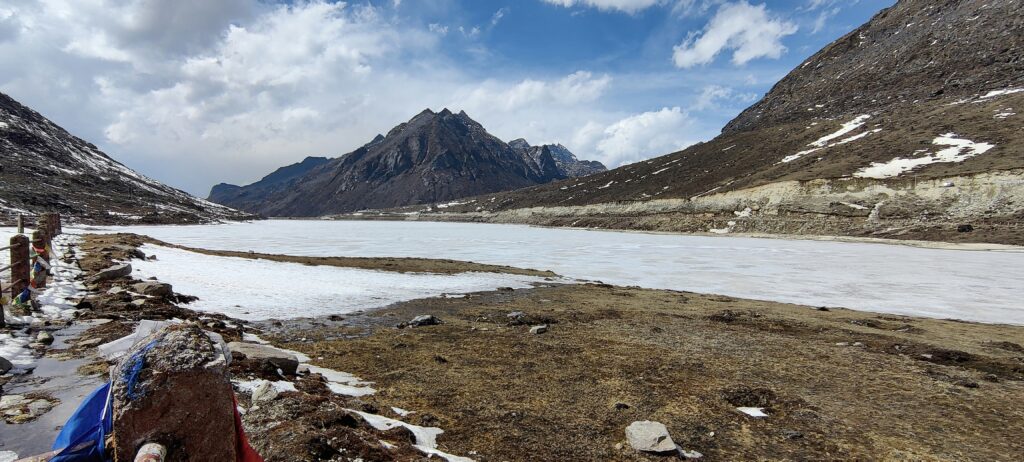
At 3,048 metres above sea level, Tawang is not just a hidden hill station — it is one of the most culturally significant mountain towns in India. Home to the largest Buddhist monastery in the country (and the second largest in the world after Lhasa’s Potala Palace), Tawang offers a profound combination of natural beauty and spiritual depth.
What Makes Tawang Special
- Tawang Monastery — 400-year-old Gelug Buddhist gompa
- Sela Pass at 4,170 metres — frozen lake and military history
- Nuranang (Jung) Falls — dramatic waterfall along the Tawang Chu river
- Unforgettable Monpa tribal culture, food, and festivals
Best Time to Visit: March to October. An Inner Line Permit is is required for non-Arunachal residents — available online via the Arunachal Pradesh government portal.
5. Khajjiar, Himachal Pradesh — India’s Own Mini Switzerland
Nicknamed ‘Mini Switzerland’ by the Swiss ambassador to India in 1992 (a plaque marking the occasion still stands), Khajjiar is a 1.5 km wide meadow at 2,000 metres altitude in the Chamba district of Himachal Pradesh. Despite this charming international recognition, it remains far less visited than Dalhousie, just 24 km away.
What Makes Khajjiar Special
- Circular emerald meadow ringed by deodar cedars — unlike anything in India
- A floating island at the centre of the meadow lake
- Khajji Nag Temple — medieval Nagara-style architecture
- Paragliding, zorbing, and horse riding for adventure seekers
Best Time to Visit: March to June and September to November. Snow is possible December to February.
6. Haflong, Assam — The Only Hill Station in Assam
Most people don’t associate Assam with mountains, which is exactly what makes Haflong special. The only official hill station in Assam, Haflong, sits at 680 metres above sea level in the Dima Hasao district and is surrounded by tea gardens, bamboo groves, and the stunning Haflong Lake.
What Makes Haflong Special
- Haflong Lake — perfect for boating amid misty hills
- Maibong — ancient Dimasa Kachari capital with ruins nearby
- Orchid diversity — over 150 species found in the region
- Dimasa tribal culture — colourful festivals and handloom textiles
Best Time to Visit: October to April. Avoid June to August due to heavy rainfall.
7. Lansdowne, Uttarakhand — The Peaceful Cantonment Town
Unlike most Himalayan hill stations, Lansdowne — a Garhwal Rifles cantonment town at 1,700 metres — has deliberately kept tourism low-key. There are no large hotels, no cable cars, and no loud markets. What you get instead are empty pine-forested trails, colonial bungalows, and genuine peace.
What Makes Lansdowne Special
- Tip-N-Top viewpoint — sweeping Himalayan panoramas
- Bhulla Lake — boating surrounded by oak and rhododendron
- Garhwal Rifles Museum — rare military history collection
- Pristine trails through mixed temperate forest
Best Time to Visit: February to June and September to December. Ideal for winter fog walks in January.
8. Coorg (Madikeri), Karnataka — The Scotland of India
While Coorg has grown in popularity, the hill station of Madikeri and its surrounding countryside — often called the ‘Scotland of India’ — still rewards travellers who venture beyond the resorts. At 1,525 metres, Madikeri offers coffee and spice plantation walks, rushing waterfalls, and one of India’s most distinctive regional cuisines.
What Makes Coorg Special
- Abbey Falls and Iruppu Falls — spectacular Western Ghats waterfalls
- Nagarhole and Brahmagiri wildlife sanctuaries are nearby
- Unique Kodava community — warrior culture with distinct traditions
- Homestay culture — the best way to experience plantation life
Best Time to Visit: October to March. Post-monsoon months (October–November) offer lush greenery and clear air.
9. Sandakphu, West Bengal — Trekker’s Paradise on the Himalayan Border
At 3,636 metres, Sandakphu is the highest point in West Bengal — and one of the few places in the world where you can see four of the world’s five highest peaks simultaneously: Everest, Kanchenjunga, Lhotse, and Makalu. Yet it remains accessible only by trekking through the Singalila National Park, keeping crowds naturally limited.
What Makes Sandakphu Special
- The legendary ‘Sleeping Buddha’ silhouette formed by mountain peaks
- Old Land Rovers (Singalila jeep track) — iconic mountain experience
- Red pandas and Himalayan black bears in Singalila NP
- Rhododendron forests in bloom from April to May
Best Time to Visit: October to December and March to May. The trek requires a permit from the Darjeeling district forest office.
10. Chail, Himachal Pradesh — The Royal Retreat
Built in 1891 by Maharaja Bhupinder Singh of Patiala after he was banished from Shimla by the British, Chail sits at 2,250 metres in a dense cedar forest. Home to the world’s highest cricket ground (2,444 metres), the Chail Wildlife Sanctuary, and a heritage palace now converted to a hotel, this is one of the most romantic hidden hill stations in India.
What Makes Chail Special
- World’s highest cricket ground — a unique piece of mountain trivia
- Chail Palace — heritage hotel and viewpoint
- Chail Wildlife Sanctuary — cheetah, goral, sambhar deer
- Apple and peach orchards with farm-to-table dining options
Best Time to Visit: March to June and September to November.
11. Dzukou Valley, Nagaland — The Valley of Flowers of the East
Dzukou Valley sits at 2,400 metres on the border of Nagaland and Manipur, and in summer it transforms into a carpet of seasonal wildflowers found nowhere else on earth. The endemic Dzukou lily — a rare flower that blooms only in this valley — has made it a pilgrimage for botanists and nature photographers from across the world.
What Makes Dzukou Valley Special
- The Dzukou lily — an endemic species, visible from July to September
- Pristine high-altitude grassland with ancient streams
- Vibrant Naga tribal culture and forest traditions
- Camping under some of India’s clearest night skies
Best Time to Visit: June to September for wildflowers, December to January for snow. The trek from Viswema or Zakhama is approximately 6–7 km each way.
12. Chitkul, Himachal Pradesh — The Last Village Before Tibet
Located at 3,450 metres in the Baspa Valley, Chitkul is the last Indian village before the Tibetan border. Beyond it, the road is closed to civilians. This very remoteness — and the dramatic Kinnauri landscape of high-altitude desert, apple orchards, and ancient wooden temples — makes Chitkul one of the most extraordinary hidden hill stations in India.
What Makes Chitkul Special
- The end of the world feeling — the last motorable point on the Indo-Tibetan border
- Baspa River — turquoise glacial waters ideal for riverside camping
- Traditional Kinnauri architecture — woodcarved temples
- Mattiana apples — the region is famous for its apple varieties
Best Time to Visit: May to October. Closed in winter due to heavy snowfall. An Inner Line Permit is required.
13. Yelagiri, Tamil Nadu — The Beginner’s Hill Station
Yelagiri is one of the most accessible hidden hill stations in India, just 230 km from Chennai and easily reachable by train to Jolarpettai. At 1,100 metres, this small plateau in the Vellore district offers rose gardens, a peaceful lake, orchards, and forested hiking trails — all without the commercialism of Ooty or Kodaikanal.
What Makes Yelagiri Special
- Swamimalai Hill — short but rewarding summit hike
- Punganur Lake — boating in tranquil surroundings
- Paragliding with views of the Tamil Nadu plains
- Ideal weekend destination for first-time hill travellers
Best Time to Visit: October to March. Pleasant year-round due to moderate altitude.
14. Mechuka, Arunachal Pradesh — The Hidden Valley Near the Chinese Border
In the West Siang district of Arunachal Pradesh, Mechuka (also spelt Menchuka) sits at 1,800 metres in a valley so remote that it remained unknown to most Indians until the 2010s. Surrounded by snow-capped peaks and watered by the Siyom River, Mechuka offers an almost otherworldly combination of Tibetan Buddhist heritage and untouched sub-Himalayan landscape.
What Makes Mechuka Special
- Samten Yongcha Monastery — a 400-year-old monastery with rare scriptures
- Mechuka Adventure Festival — an annual cultural and adventure event
- Siyom River — whitewater rafting and riverside camping
- Memba tribal communities – a unique culture rarely seen by outsiders
Best Time to Visit: October to April. An Inner Line Permit is required. Accessible by flight from Lilabari or by road via Along (Aalo).
15. Peermade, Kerala — The Hidden Plateau of the Western Ghats
Sandwiched between Munnar and Thekkady in Kerala’s Idukki district, Peermade (also written Peerumedu) sits at 1,000 metres on a lush green plateau. While tourists rush past it on the way to Munnar, Peermade offers cardamom and tea estates, Sufi heritage, and some of the finest views of the Western Ghats without the crowds.
What Makes Peermade Special
- Grampian viewpoint — sunrise over a sea of cardamom and tea
- Pulachimalai Hills — excellent trekking terrain
- Peerumedu Dargah — 400-year-old Sufi shrine of Peer Mohammed
- Freshwater streams and natural rock pools for swimming
Best Time to Visit: September to May. The monsoon (June to August) is beautiful for landscape photography.
Quick Comparison: Hidden Hill Stations in India at a Glance
| Hill Station | State | Altitude | Best For | Best Time |
| Zuluk | Sikkim | 3,048 m | Scenic drives, views | Mar–May, Oct–Dec |
| Munsiyari | Uttarakhand | 2,200 m | Trekking, culture | Apr–Jun, Sep–Nov |
| Chopta | Uttarakhand | 2,680 m | Trekking, temples | Mar–Jun, Sep–Nov |
| Tawang | Arunachal Pradesh | 3,048 m | Culture, monasteries | Mar–Oct |
| Khajjiar | Himachal Pradesh | 2,000 m | Family trips, meadows | Mar–Jun, Sep–Nov |
| Haflong | Assam | 680 m | Culture, lakes | Oct–Apr |
| Lansdowne | Uttarakhand | 1,700 m | Peace, nature walks | Feb–Jun, Sep–Dec |
| Coorg/Madikeri | Karnataka | 1,525 m | Plantation, wildlife | Oct–Mar |
| Sandakphu | West Bengal | 3,636 m | Trekking, peak views | Oct–Dec, Mar–May |
| Chail | Himachal Pradesh | 2,250 m | Heritage, wildlife | Mar–Jun, Sep–Nov |
| Dzukou Valley | Nagaland | 2,400 m | Wildflowers, camping | Jun–Sep |
| Chitkul | Himachal Pradesh | 3,450 m | Remote, adventure | May–Oct |
| Yelagiri | Tamil Nadu | 1,100 m | Beginners, weekend | Oct–Mar |
| Mechuka | Arunachal Pradesh | 1,800 m | Remote culture | Oct–Apr |
| Peermade | Kerala | 1,000 m | Plantations, views | Sep–May |
Expert Travel Tips for Visiting Hidden Hill Stations in India
Planning and Permits
- Check permit requirements early — Zuluk, Tawang, Chitkul, and Mechuka all require Inner Line Permits (ILP) available online.
- Book homestays over hotels — local families offer better food, stories, and cultural access.
- Travel in the shoulder season (April–May or September–October) for ideal weather and minimal crowds.
- Register with the local police station if trekking in remote areas — it is mandatory in many border regions.
Packing Essentials for Mountain Travel
- Layered clothing — temperatures can vary 15°C between day and night above 2,000 metres
- Water purification tablets or a UV pen — tap water is not always safe
- Altitude sickness medication (Diamox) — consult a doctor before travelling above 3,000 metres
- Offline maps — mobile networks are unreliable in most of these locations
- Cash — ATMs are rare or non-existent in villages like Chitkul and Mechuka
Responsible Tourism Practices
- Carry all plastic waste out — leave no trace in these fragile ecosystems
- Support local artisans — buy handlooms, spices, and crafts directly from producers
- Respect wildlife corridors – do not feed animals or leave food scraps outdoors
- Use established campsites — pitching tents in unauthorised areas damages ground vegetation
Frequently Asked Questions: Hidden Hill Stations in India
Q1. Which is the most underrated hill station in India?
Zuluk in Sikkim, Mechuka in Arunachal Pradesh, and Dzukou Valley in Nagaland are consistently rated among the most underrated hill stations in India. All three offer extraordinary natural beauty with very few tourists compared to their famous counterparts.
Q2. Which hidden hill station in India is best for families?
Khajjiar in Himachal Pradesh and Yelagiri in Tamil Nadu are excellent choices for families. Both are accessible by road, offer moderate altitudes (no acclimatisation needed), and have activities like zorbing, boating, and nature walks suitable for children of all ages.
Q3. Which offbeat hill station in India is best for trekkers?
Sandakphu in West Bengal, Chopta in Uttarakhand, and Dzukou Valley in Nagaland are top choices for trekkers. Each offers well-marked trails, dramatic scenery, and the option to camp overnight in the mountains.
Q4. Are permits required to visit hill stations in North-East India?
Yes. Most districts in Arunachal Pradesh (including Tawang and Mechuka) and some areas of Sikkim (including the Zuluk/Old Silk Route area) require an Inner Line Permit (ILP). These can be applied for online through the respective state government portals or at entry points. Processing takes 1–3 working days.
Q5. What is the best time to visit the hidden hill stations in India?
The best time to visit hidden hill stations in India is from March to June and September to November, when the weather is pleasant, and the landscapes are at their most beautiful. During these months, hidden hill stations in India offer clear mountain views, lush greenery, and fewer crowds compared to popular tourist destinations. Monsoon lovers can also explore some hidden hill stations in India between July and August for misty valleys and scenic waterfalls.
Q6. Which is the least crowded hill station in India?
Mechuka (Arunachal Pradesh), Dzukou Valley (Nagaland), and Haflong (Assam) are among the least crowded hill stations in India due to their remote location and limited tourist infrastructure. This is, of course, part of their charm.
Q7. Can I visit hidden hill stations in India on a budget?
Absolutely. Many offbeat hill stations like Lansdowne, Yelagiri, Peermade, and Chopta have budget homestays and dhabas that make them very affordable. Expect to spend Rs 500–1,500 per night for accommodation and Rs 200–400 for meals in most of these locations.
Q8. Which hidden hill station is best in summer (May–June)?
Chopta, Munsiyari, Sandakphu, and Dzukou Valley are all outstanding choices in May and June. They are cool and green even as the plains bake in heat, making them perfect summer retreats.
Conclusion: Time to Get Off the Beaten Track
India’s mountains are vast, diverse, and largely unexplored by most travellers. From the dramatic Himalayan borderlands of Zuluk and Mechuka to the lush Western Ghats meadows of Peermade, these 15 hidden hill stations represent some of the country’s most extraordinary landscapes — and they are all waiting to be discovered.
The crowds will always be at Shimla and Manali. But the real magic — the unfiltered mountain air, the star-filled skies, the warm conversations with local families — belongs to those willing to take the road less travelled.
Your Next Steps
- Choose a destination based on your nearest airport or railway station
- Check permit requirements 2–3 weeks before travel
- Book a local homestay directly to support the community
- Download offline maps of the area before you leave mobile coverage
- Travel light, travel responsibly, and leave no trace
Suggested Internal Links
| Anchor Text | Suggested Page | Relevance |
| best trekking routes in himachal-pradesh | Himachal Pradesh | Links to readers interested in Chopta and Munsiyari trekking |
| offbeat travel destinations in North-East India | Sikkim | Complements Tawang, Zuluk, Mechuka, and Dzukou content |
| How to apply for an Inner Line Permit in India | /inner-line-permit-guide | Practical resource for Arunachal and Sikkim visitors |
| best homestays in Himachal Pradesh | /himachal-homestays | Supports Chail, Khajjiar, and Chitkul accommodation planning |
| Western Ghats wildlife guide | /western-ghats-wildlife | Contextual link for Coorg and Peermade nature content |
Some Important Links – Flights booking – Amazon