
Every July, monsoon trekking in India completely changes. The dry, dusty trails you walked in winter turn into streams. The brown hillsides turn an impossibly bright green, and waterfalls that didn’t exist a month ago are suddenly roaring. If you want to hit the trails this monsoon, here is what you need to know for July 2026.
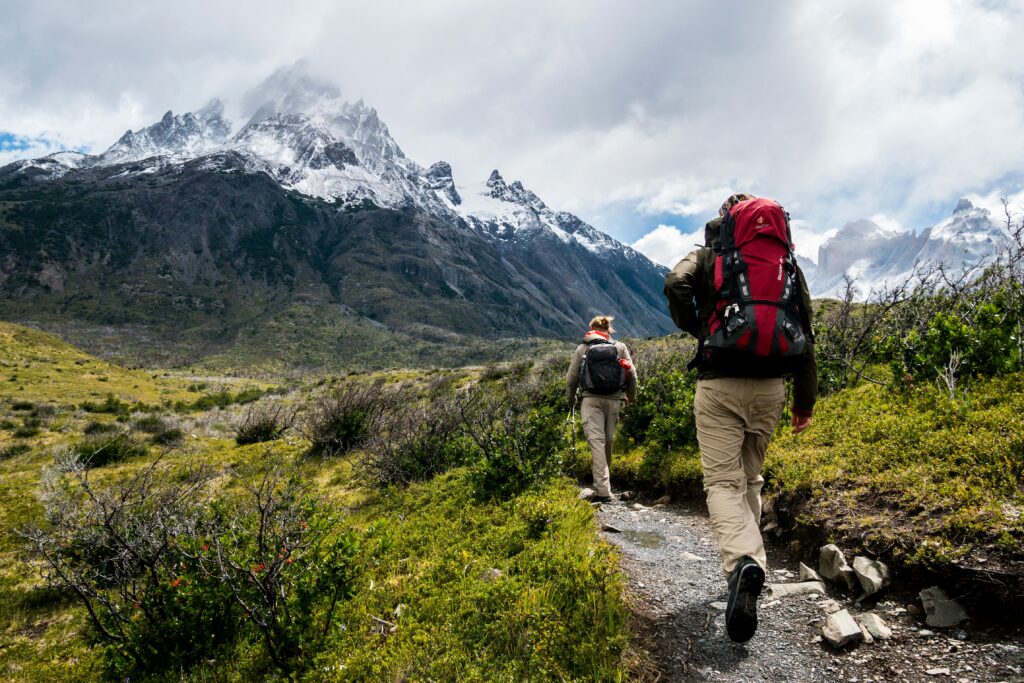
Monsoon hiking is a completely different sport. The trails are slick, the weather can turn in minutes, and rivers swell fast. It is not a casual walk, but the payoff is seeing the country at its absolute greenest.
Why monsoon season transforms India’s nature trails
When the rains hit, the terrain shifts in a matter of weeks. The Western Ghats get the most dramatic makeover. Places in Maharashtra, Karnataka, and Kerala get absolutely dumped on from June to September. If you check out our Western Ghats destinations, you will see trails covered in fresh moss and wildflowers.
The Himalayas get a gentler version of this. Lower trails pop with rhododendrons, and the high passes are usually clear of snow. You can browse our Himalayan treks category for specific routes up north.

A few things happen on the trail during the rains:
- Waterfalls actually have water in them.
- The canopy gets thick and green, blocking out the sun.
- The air finally clears up.
- It is cooler, so you aren’t sweating to death at noon.
- You will deal with leeches.

Top monsoon trekking trails to explore in India
Instead of giving you a generic list, here are a few that actually make sense for July. They are not too extreme, but they show off the monsoon perfectly.
Kalsubai Peak in Maharashtra is the highest point in the state and probably the most popular monsoon trek from Mumbai and Pune. It takes about five hours up and down if you are reasonably fit. You get panoramic views of cloud-covered valleys.
The Valley of Flowers in Uttarakhand is exactly what it sounds like. It only blooms for a few weeks in July and August, and you will see hundreds of flower species in the alpine meadows. You need permits, so check our guide on Himalayan destinations before you even think about booking.
Chembra Peak in Wayanad is the classic Kerala monsoon trek. There is a heart-shaped lake near the top that photographs beautifully. Expect a lot of mud and leeches on the way up.
Tadiandamol in Coorg is a solid moderate trek in Karnataka. You walk through coffee estates and then hit wild forest patches. The views from the top look out over the whole Kodagu district.
If you are trying to pick one, here is how they stack up:
| Trail Name | State | Difficulty | Duration | Best Feature |
|---|---|---|---|---|
| Kalsubai Peak | Maharashtra | Moderate | 5-6 hours | Highest peak views |
| Valley of Flowers | Uttarakhand | Moderate-Hard | 2-3 days | Alpine flower diversity |
| Chembra Peak | Kerala | Moderate | 4-5 hours | Heart-shaped lake |
| Tadiandamol | Karnataka | Moderate | 6-7 hours | Coffee estate scenery |
Essential gear for monsoon trekking

I cannot stress this enough: gear makes or breaks a monsoon trek. If you are wet, you are miserable, and in the worst case, you risk hypothermia.
Your shoes are the most important thing. Do not wear sneakers. They soak up water, get heavy, and slide all over wet rocks. Get hiking shoes with aggressive grip meant for mud.
Clothing is the next big one. Cotton is a terrible idea because it stays wet for hours and chafes. Go with synthetic layers or merino wool. They dry fast and keep your temperature steady.
We have a deeper dive on hiking trail essentials if you want the full breakdown. For a quick monsoon checklist, grab this:
- A dry bag or waterproof cover for your pack (to protect your phone and sleeping bag)
- Trekking poles (they save your knees on slippery descents)
- Bug spray with DEET (for the leeches)
- A quick-dry towel and extra socks
- A headlamp (it gets dark fast under the rain clouds)
- A basic first-aid kit
Safety tips for rainy season hikes
Hiking in the rain is not inherently dangerous if you pay attention, but the risks are different. Weather changes fast, and the terrain gets unpredictable.
Check the forecast. A sudden storm can cause flash floods in low-lying areas. Local forest departments and trekking groups post advisories, and you should actually read them.
River crossings are where people get into trouble. I have seen too many people nearly get swept away. The water can rise in hours from rain upstream. If the water is above your knee and moving fast, do not cross. Turn around. It is not worth it.
It is always better to go in a group. If you slip or get lost, someone has your back. If you need help putting a group together, our monsoon safety guidelines page can connect you with experienced guides.
A few more basics:
- Tell someone exactly where you are going and when you will be back.
- Carry a whistle.
- Get off exposed ridges if you hear thunder.
- Start early. Afternoons are when the rain usually hits hardest.
- Check if the trail is actually open before you drive out there.
Best waterfalls along monsoon trails

July is peak waterfall season. A lot of these trails basically exist just to get you to a waterfall.
Dudhsagar Falls in Goa is a perfect example. It is a massive four-tiered fall that roars during the monsoon. You have to trek through Bhagwan Mahaveer Wildlife Sanctuary to get there, which is half the fun.
Jog Falls in Karnataka is a different beast. It is mostly dry for half the year, but in July, it is one of the most powerful falls in the country. You do not have to do a hard trek to see it, so it is good if you have family with you.
Athirapally Falls in Kerala is easy to get to but extremely crowded. People call it the “Niagara of India”. If you go, go at sunrise to beat the bus tours and get decent light for photos.
If you want to plan a trip around waterfalls, our category page lists a bunch of combinations by region.
How to plan your monsoon nature trail adventure
Planning for a monsoon trekking trip in India means accepting that your plan will probably change. You have to be flexible. If the rain is too heavy on your intended trail, have a backup.
Do not just read an old guide. Check local Facebook groups or forest department sites for real-time updates from people who were just there. Book your stay near the trailhead early, because monsoon weekends fill up fast. Our destinations page has some good options for places to stay near major trails.
Keep some extra cash budgeted for things like gear rentals, guide fees, or just having to take a different, more expensive route because a road is flooded.
Before you leave:
- Double-check with locals that the trail is open.
- Pack using the list above.
- Send your itinerary to a friend.
- Download offline maps. Cell service drops out fast in the mountains.
- Check our homepage for any recent trail updates.
Monsoon trekking in India is not about staying dry. It is about enjoying the fact that you won’t. From the misty top of Kalsubai to the roar of Athirapally, July 2026 has some incredible trips waiting. Just prep right, respect the weather, and you will have a great time. If you want to see how we put these guides together, check out our About Us page.
Some adventure locations: – Tripadvisor