
Introduction
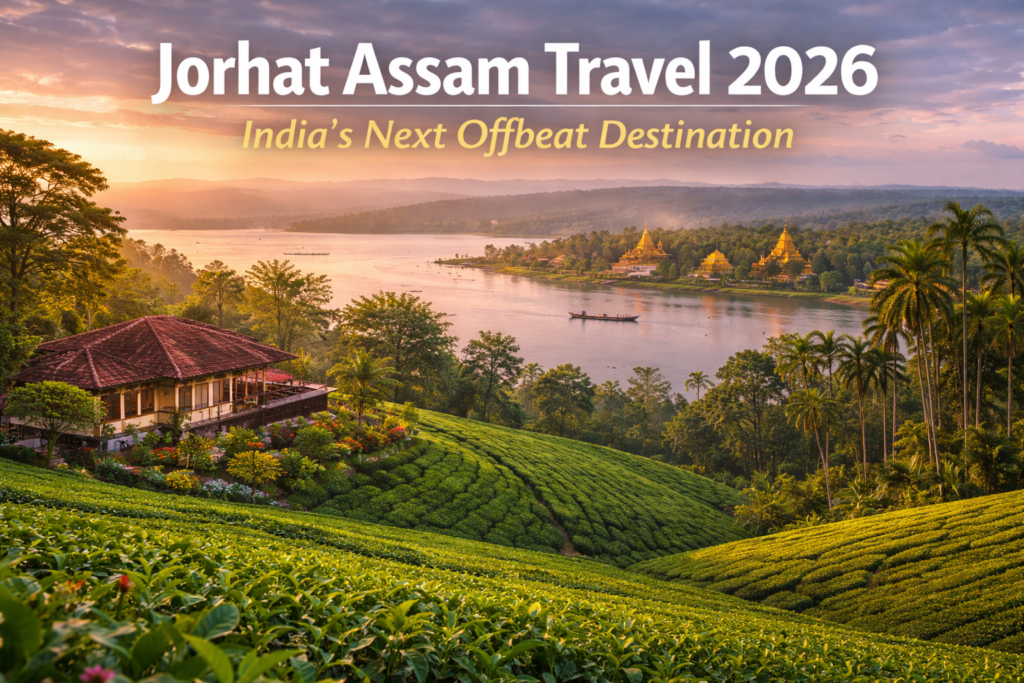
Jorhat Assam Travel 2026 is rapidly emerging as one of India’s most compelling offbeat journeys. While many travellers still rush toward crowded hill stations, a growing number now seek meaningful experiences rooted in nature, heritage, and slow travel. Jorhat, often called the cultural capital of Assam, delivers exactly that.
Located amid endless tea estates and close to the mighty Brahmaputra River, Jorhat blends colonial-era charm, vibrant monasteries, biodiversity, and warm Assamese hospitality. If you are planning a Northeast escape that feels authentic rather than commercial, this detailed Jorhat Assam Travel 2026 guide will help you plan wisely.
Why Jorhat Is Trending in 2026
Search trends show increasing interest in lesser-known Indian destinations, especially in Northeast India. Jorhat stands out because it offers:
- Vast tea gardens with immersive plantation stays
- Easy access to Majuli, the world’s largest river island (as noted on Wikipedia)
- Rich Vaishnavite monastery traditions
- Wildlife sanctuaries nearby
- Relatively low tourist density
Moreover, travellers are consciously choosing sustainable routes, similar to those featured in our guide on hidden eco-escapes:
https://natureroutes.in/hidden-nature-trails-in-india-2026/

As a result, Jorhat Assam Travel 2026 is gaining attention among slow travellers, photographers, and cultural explorers.
Where Is Jorhat and Why It Matters
Jorhat lies in Upper Assam, about 300 km from Guwahati. It is surrounded by fertile plains nourished by the Brahmaputra River system.
Historically, Jorhat served as the last capital of the Ahom Kingdom. Today, it remains culturally significant due to its satras (Vaishnavite monasteries) and tea heritage.
Tea Heritage Capital
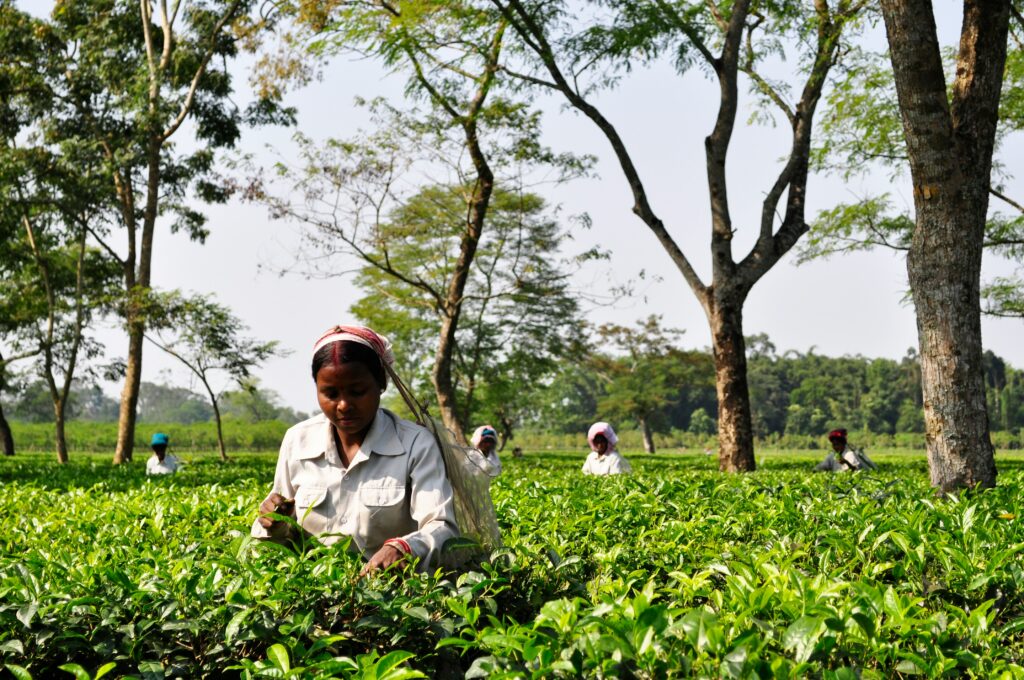
Assam produces over half of India’s tea. According to the Government of India’s Tea Board (https://www.teaboard.gov.in/), Assam tea is globally recognised for its strong flavour and bright colour. Jorhat houses the Tocklai Tea Research Institute, one of the oldest tea research centers in the world.
Therefore, tea is not just a crop here—it is a living legacy.
Top Experiences in Jorhat, Assam Travel 2026
1. Stay in a Heritage Tea Estate
Many restored colonial bungalows now offer experiential stays. Wake up to mist-covered plantations, join guided plucking sessions, and learn about orthodox tea processing.
Best for:
- Photographers
- Couples seeking quiet escapes
- Cultural travellers
2. Explore Majuli Island
Accessible by ferry from Nimati Ghat, Majuli offers:
- Satras (monastic institutions)
- Mask-making workshops
- Rural cycling trails
- Wetland birdwatching
Because Majuli is highly vulnerable to erosion, responsible tourism here matters greatly.
3. Visit Gibbon Wildlife Sanctuary
Just 20 km from Jorhat, this sanctuary protects India’s only ape species—the hoolock gibbon. Morning forest walks often reward visitors with rare primate sightings.
4. Discover Assamese Cuisine
Try:
- Khar (alkaline preparation)
- Masor tenga (tangy fish curry)
- Pitha during festive seasons
Unlike tourist-heavy regions, meals here feel homemade and rooted in tradition.
Best Time for Jorhat Assam Travel 2026
Climate plays a crucial role in planning.
Seasonal Comparison
| Season | Temperature | Pros | Cons |
|---|---|---|---|
| Oct–March | 10–25°C | Pleasant weather, festivals | Slightly higher hotel rates |
| April–June | 25–35°C | Lush tea gardens | Humidity |
| July–Sept | 22–30°C | Dramatic monsoon landscapes | Ferry disruptions possible |
October to March remains ideal for Jorhat Assam Travel 2026, especially if you plan to visit Majuli.
How to Reach Jorhat Easily
By Air
Jorhat Airport connects to Guwahati and Kolkata.
By Train
Jorhat Town Railway Station links to major Assam cities.
By Road
State highways connect Jorhat to Kaziranga and Dibrugarh.
If you are planning a multi-state road trip, consider combining Northeast journeys with Western India treks such as:
https://natureroutes.in/best-trekking-places-near-mumbai-tungareshwar-temple/
Although geographically distant, both offer immersive nature experiences.
3–5 Day Itinerary for Jorhat Assam Travel 2026
Day1: Arrival & Tea Estate Walk
- Check into the plantation stay
- Sunset tea tasting session
Day2: Majuli Exploration
- Early ferry ride
- Visit Kamalabari Satra
- Attend the evening prayer ceremony
Day3: Wildlife & Local Markets
- Gibbon Sanctuary walk
- Explore Chowk Bazaar
- Sample Assamese sweets
Day4–5 (Optional Extension)
- Add Kaziranga National Park
- Village homestay experience
This balanced itinerary ensures you experience both culture and wilderness.
Budget, Stays & Practical Costs
Estimated 3-Day Budget (Per Person)
| Category | Budget Stay | Mid-Range | Premium Tea Estate |
|---|---|---|---|
| Stay | ₹1,200/night | ₹3,000/night | ₹7,000+ |
| Food | ₹800/day | ₹1,200/day | Included |
| Transport | ₹1,500 total | ₹2,500 total | ₹3,000+ |
| Activities | ₹1,000 | ₹1,500 | ₹2,000 |
Overall, Jorhat Assam Travel 2026 remains affordable compared to mainstream hill stations.
Pros & Cons of Visiting Jorhat
| Pros | Cons |
|---|---|
| Authentic cultural experience | Limited nightlife |
| Less crowded | Fewer luxury chains |
| Affordable stays | Weather-dependent ferry |
| Unique tea heritage | Limited direct flights |
For travellers seeking serenity, the pros clearly outweigh the cons.
Essential Travel Checklist
Before starting your Jorhat Assam Travel 2026 journey, ensure you carry:
- Government ID
- Cash (ATMs are limited in Majuli)
- Light woollens (Oct–Feb)
- Rain protection (monsoon)
- Mosquito repellent
- Reusable water bottle
Additionally, always confirm ferry timings a day in advance.
Conclusion
Jorhat Assam Travel 2026 represents a shift toward meaningful exploration. Instead of chasing crowded destinations, you immerse yourself in tea gardens, monastery traditions, river landscapes, and wildlife corridors. Because tourism here remains relatively low-impact, your visit directly supports local communities and heritage preservation.
If you are planning an offbeat Indian journey this year, Jorhat Assam Travel 2026 deserves serious consideration. It is calm yet culturally rich, remote yet accessible, and deeply connected to nature—exactly what modern travellers seek.
FAQs
1. Is Jorhat safe for solo travellers?
Yes, Jorhat is considered safe. However, always follow general travel precautions.
2. How many days are enough for Jorhat Assam Travel 2026?
Three to five days are ideal to cover tea estates, Majuli, and nearby wildlife areas.
3. What is Jorhat famous for?
Jorhat is famous for Assam tea production and its proximity to Majuli Island.
4. Can I visit Majuli year-round?
Yes, but monsoon ferry schedules may change due to high river levels.
5. Is Jorhat expensive?
No, it is more affordable than popular hill stations or major metros.
6. What is the nearest major airport?
Lokpriya Gopinath Bordoloi International Airport in Guwahati.
7. Are guided tours necessary?
Not mandatory, but local guides enhance cultural understanding significantly.
Pingback: Spiti Valley Summer: Complete Travel Guide 2026 - Natureroutes