
Heritage + Wildlife Routes in Western India: Where History Meets the Wild
Heritage + wildlife routes in Western India have a rhythm of their own.
At sunrise, mist floats above ancient forts. By afternoon, the forest hums with cicadas. And as dusk settles, you might hear the distant call of a wild tiger echoing through teak trees.
These heritage + wildlife routes in Western India offer more than sightseeing. They create a journey where centuries-old history blends seamlessly with thriving ecosystems. If you love nature but also feel drawn to stories carved in stone, this guide will help you plan a route that balances both.
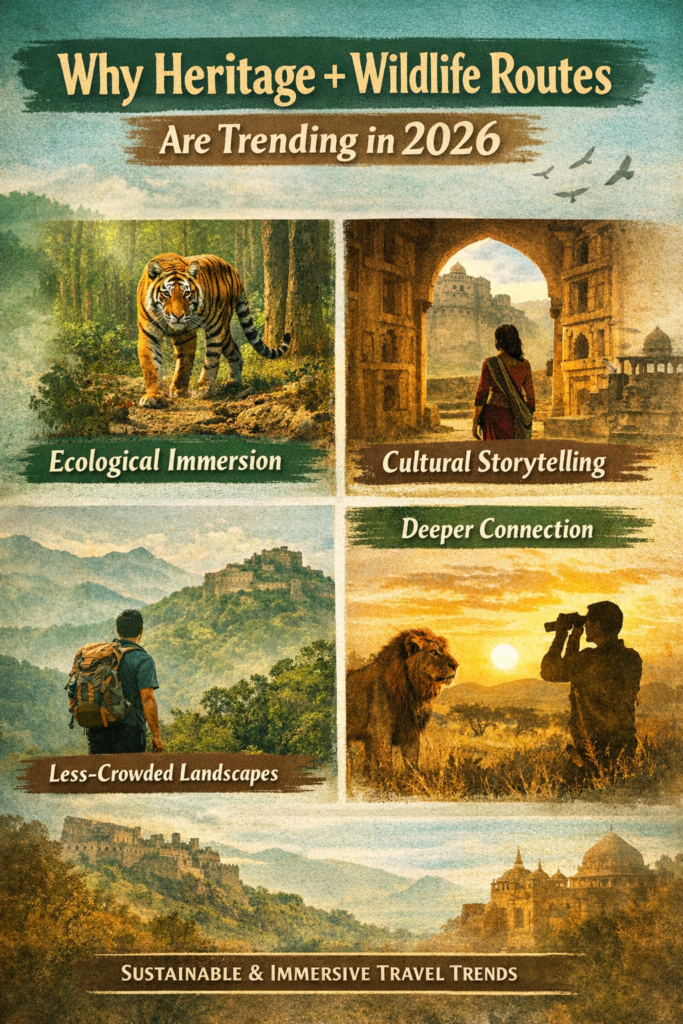
Why Heritage + Wildlife Routes Are Trending in 2026
Travellers today want depth, not speed.

Across India, tourism patterns show a shift toward immersive, eco-conscious journeys. The Government of India’s tourism initiatives continue to promote sustainable circuits that combine biodiversity and cultural preservation (Source: Government of India Tourism Portal).
Moreover, UNESCO-recognised heritage landscapes across Western India attract travellers seeking meaningful connections between history and nature (Source: Wikipedia – UNESCO World Heritage Sites in India).
Therefore, combining wildlife reserves with heritage circuits creates richer experiences.
You get:
- Ecological immersion
- Cultural storytelling
- Less-crowded landscapes
- Stronger emotional connection
Now, let’s explore the most rewarding heritage + wildlife routes in Western India.
Route 1: Tadoba Safari & Ancient Temple Trails
Location: Maharashtra
Best Time: October to June
Wildlife Highlight:
Tadoba Andhari Tiger Reserve
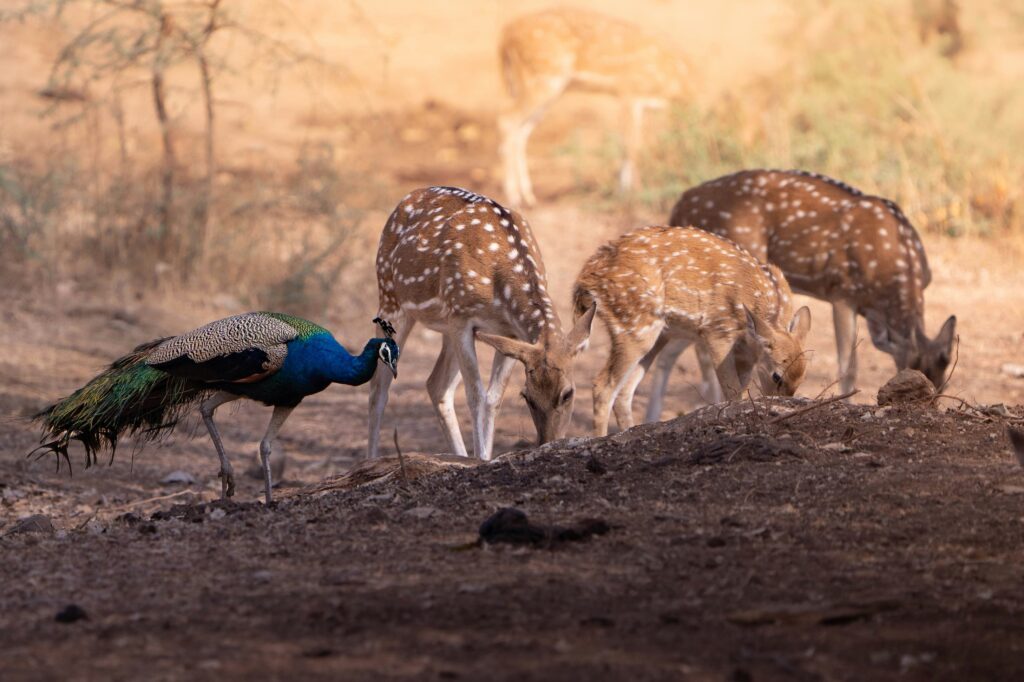
Tadoba is one of India’s most thrilling tiger reserves. Early morning safaris here feel electric — golden light filters through bamboo forests, alarm calls echo in the distance, and fresh pugmarks appear on dusty tracks.
However, the region offers more than wildlife.
Heritage Element:
Nearby lie ancient temple complexes and Gond tribal heritage villages. Exploring these adds cultural depth to your safari journey.
Ideal 3-Day Plan:
- Day 1 – Evening safari
- Day 2 – Morning safari + village cultural visit
- Day 3 – Temple exploration + buffer zone birding
The contrast between predator-rich forests and centuries-old architecture makes this one of the most balanced heritage + wildlife routes in Western India.
Route 2: Sahyadri Forts & Bhimashankar Wildlife Sanctuary
Location: Maharashtra
Best Time: Monsoon to Winter
Wildlife Highlight:
Bhimashankar Wildlife Sanctuary
This sanctuary protects dense evergreen forests of the Western Ghats and rare species like the Indian Giant Squirrel.
Heritage Element:
The nearby Sahyadri forts, including Raigad Fort, narrate stories of Maratha courage under Chhatrapati Shivaji Maharaj.
Standing atop Raigad at sunset, you feel the wind sweep across valleys that once witnessed historic battles.
Suggested Route:
- Trek to a heritage fort at sunrise
- Drive to Bhimashankar forest by afternoon
- Stay in a local eco-lodge
If you enjoy trekking trails, explore our detailed guide on hidden routes here:
https://natureroutes.in/hidden-nature-trails-in-india-2026/
Travellers near Mumbai can also combine this with:
https://natureroutes.in/best-trekking-places-near-mumbai-tungareshwar-temple/
This circuit remains one of the most accessible heritage + wildlife routes in Western India.
Route 3: Gir Forest & Coastal Heritage of Gujarat
Location: Gujarat
Best Time: December to April
Wildlife Highlight:
Gir National Park
Gir is the last natural habitat of the Asiatic Lion. Safari drives move through open scrub forests and grasslands, where Maldhari pastoral communities live alongside wildlife.
Heritage Element:
Combine Gir with coastal temples and historical ports of Saurashtra. The Somnath Temple stands as a symbol of resilience, having been rebuilt multiple times across centuries.
Moreover, coastal sunsets along Gujarat’s shores add a serene dimension to your wildlife journey.
This combination of lions, sea breeze, and temple architecture makes it one of the most unique heritage + wildlife routes in Western India.
Route 4: Hampi Ruins & Daroji Bear Sanctuary
Location: Karnataka
Best Time: November to February
Heritage Highlight:
Hampi
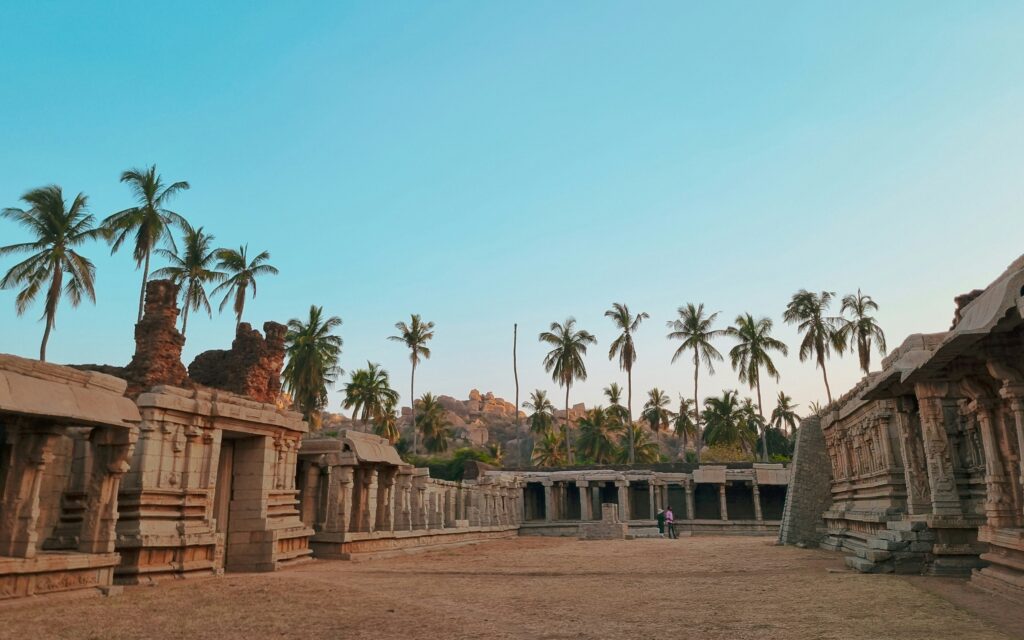
Hampi’s boulder-strewn ruins feel surreal at sunrise. As a UNESCO World Heritage Site, it showcases intricate temple architecture and stories from the Vijayanagara Empire.
Wildlife Highlight:
Daroji Sloth Bear Sanctuary
Just a short drive away, Daroji is known for sloth bear sightings, especially during late afternoons.
Ideal Plan:
- Day 1: Explore Hampi temples
- Day 2: Sunrise photography + bear sanctuary visit
- Day 3: Tungabhadra River nature walk
Few routes blend dramatic landscapes with wildlife encounters as seamlessly as this one.
List of World Heritage Sites in :- https://en.wikipedia.org/wiki/List_of_World_Heritage_Sites_in_India
Comparison Table: Which Route Is Best for You?
| Route | Best For | Wildlife Star | Heritage Depth | Difficulty |
|---|---|---|---|---|
| Tadoba Circuit | Tiger lovers | Bengal Tiger | Tribal & temple culture | Easy |
| Sahyadri Route | Trekkers | Giant Squirrel | Maratha forts | Moderate |
| Gir + Coast | Unique species | Asiatic Lion | Temple & port history | Easy |
| Hampi + Daroji | Photography | Sloth Bear | UNESCO ruins | Easy |
Pros & Cons of Heritage + Wildlife Routes
| Pros | Cons |
|---|---|
| Deep cultural experience | Requires more planning |
| Balanced itinerary | Travel time between sites |
| Less crowded than urban trips | Seasonal wildlife sightings |
| Supports local eco-tourism | Weather-dependent safaris |
Responsible Travel Tips
To preserve these heritage + wildlife routes in Western India:
- Follow safari guidelines strictly.
- Avoid littering near forts and forests.
- Choose eco-certified accommodations.
- Respect tribal communities and local customs.
- Travel during recommended seasons to avoid ecological stress.
Sustainable travel ensures these destinations remain vibrant for future generations.
Planning Checklist
Before you go:
- Book forest permits in advance
- Carry binoculars and reusable water bottles
- Check seasonal road conditions
- Hire certified local guides
- Keep buffer days for wildlife unpredictability
Conclusion: The Perfect Blend of Story & Wilderness
The magic of heritage + wildlife routes in Western India lies in contrast.
One moment, you stand inside a stone fort built centuries ago. Next, you track paw prints across fresh forest soil. This dual experience transforms a regular holiday into something meaningful and layered.
If you seek travel that connects biodiversity, architecture, and culture, these routes offer depth beyond ordinary itineraries.
Western India is not just a destination. It is a living story — one that unfolds through forests, ruins, coastlines, and timeless landscapes.
FAQs
1. What are the best heritage + wildlife routes in Western India?
Tadoba circuit, Sahyadri forts with Bhimashankar, Gir with coastal heritage, and Hampi with Daroji sanctuary are among the best combinations.
2. Which route is best for tiger sightings?
Tadoba Andhari Tiger Reserve offers strong tiger sighting opportunities during the summer months.
3. Can I cover heritage and wildlife in a short trip?
Yes. A well-planned 3–4 day itinerary can combine one sanctuary and one heritage site comfortably.
4. Is Gir National Park safe for families?
Yes. Safaris are regulated and guided. Visitors must follow official safety instructions.
5. When is the ideal season for these routes?
Winter (November–February) works best for most circuits, while summer improves tiger visibility.
6. Are these routes budget-friendly?
Yes. Maharashtra circuits are particularly accessible for travellers from Mumbai and Pune.
7. How do I travel responsibly?
Support local communities, reduce plastic use, and respect forest department guidelines.