
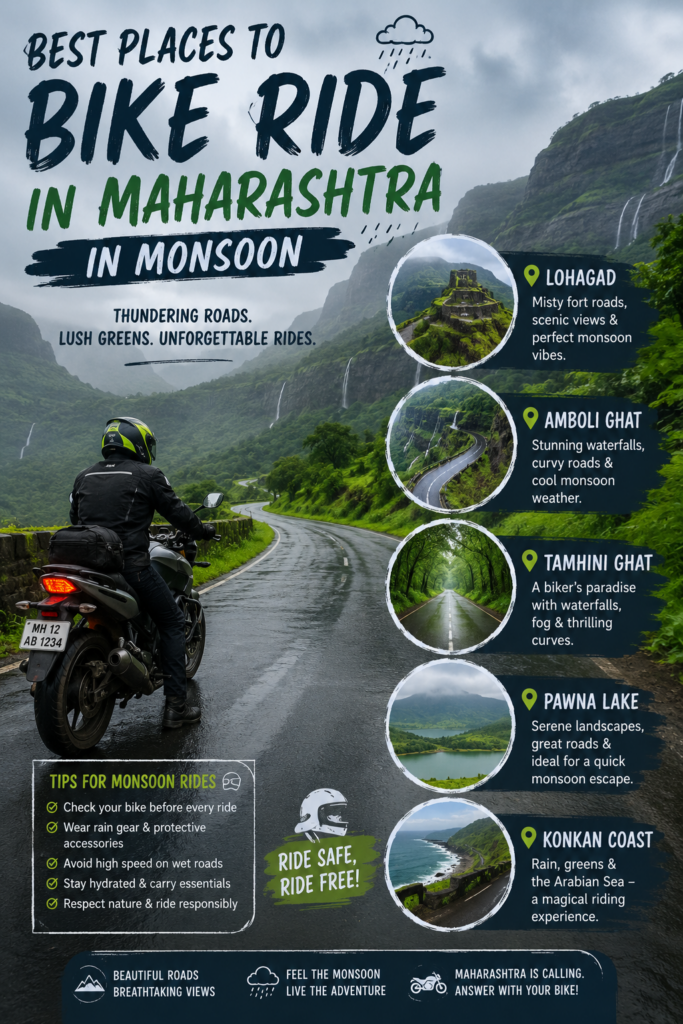
Best Places to Bike Ride in Maharashtra in Monsoon
The best places to bike ride in Maharashtra in the monsoon are Tamhini Ghat, Malshej Ghat, Lonavala–Khandala (Bhor Ghat), Amboli Ghat, and Bhandardara—all within 3–5 hours of Mumbai or Pune, each with monsoon-only waterfalls, misty hairpin roads, and road conditions ranging from beginner-friendly to advanced-only.
Between June and September, the Western Ghats that ring Mumbai and Pune turn into one continuous green corridor of waterfalls, cloud-covered valleys, and cool, fog-softened air — and for Maharashtra’s biking community, that transformation is the whole point of the season. But monsoon riding isn’t the same as a winter joyride: slick tarmac, sudden waterfall crossings, and near-zero visibility on some ghats mean the route you pick matters as much as the bike you ride. This guide covers nine of the state’s best monsoon biking roads, with real distances, road-surface notes, and a straight answer on which ghats are safe for a first-time rider and which ones aren’t.
How to Choose a Monsoon Biking Route in Maharashtra
Not every scenic ghat is a good monsoon ride. Before picking a route, weigh three things:
- Riding experience — hairpin-heavy ghats with poor visibility (Ambenali, upper Malshej) are best left to riders with prior wet-weather experience.
- Road condition — some ghats (Tamhini, parts of Varandha) have broken patches that turn into potholed puddles in heavy rain; check recent rider reports before you leave.
- Closure risk — a handful of routes, including Ambenali Ghat, are periodically closed by the state during heavy monsoon spells for landslide safety; always check the local RTO or district administration advisory the morning of your ride.
9 Best Places to Bike Ride in Maharashtra in Monsoon
1. Tamhini Ghat (near Pune) — Best Short Monsoon Ride
Tamhini Ghat is a compact, roughly 15-km stretch of hairpin bends about 70 km west of Pune, and it is the single most popular monsoon ride for Pune-based riders. Between June and September, dozens of seasonal waterfalls spill directly onto the road, the valley fills with cloud, and temperatures drop noticeably as you climb.

- Distance: ~70 km from Pune (via Paud and Mulshi); ~145 km from Mumbai via Lonavala and Mulshi Dam
- Ride time: 2–2.5 hours one-way from Pune; 4–5 hours from Mumbai
- Road condition: Mostly good tarmac with a few broken patches inside the ghat
- Difficulty: Easy to moderate — manageable for a first-time long-distance rider
- Best for: A half-day loop with Mulshi Lake views and roadside waterfalls
2. Malshej Ghat (Pune–Mumbai border) — Best for Waterfalls and Birdwatching
Malshej Ghat sits around 700 metres up in the Sahyadris and is famous for waterfalls that appear only in the monsoon, plus the Pimpalgaon Joga Dam, a seasonal stop for migratory flamingos. It’s a longer, more committing ride than Tamhini, with sharper turns and steeper inclines.
- Distance: ~127 km from Mumbai (via Kalyan and Murbad); a longer Pune approach runs via Chakan, Rajgurunagar and Junnar
- Ride time: 3.5–4 hours from Mumbai
- Road condition: Winding with sharp turns and steep sections; can get slippery and low-visibility in heavy rain
- Difficulty: Moderate to advanced — recommended for riders with some ghat experience
- Best for: Waterfall photography and the Harishchandragad Fort trek
3. Lonavala–Khandala via the Old Mumbai–Pune Highway (Bhor Ghat) — Best for Beginners
This is the most beginner-friendly monsoon ride on this list: smooth highway riding that climbs gently into the Sahyadris, with Tiger Point, Bhushi Dam, and Pawna Lake as easy stops along the way.
- Distance: ~83–86 km from Mumbai via NH48; roughly 65 km from Pune
- Ride time: 2–2.5 hours from Mumbai
- Road condition: Smooth tarmac, well maintained; heavy weekend traffic is the main hazard, not the surface
- Difficulty: Easy — suitable for first-time riders and mixed-experience groups
- Best for: A relaxed monsoon day trip without technical riding demands
4. Amboli Ghat (Sindhudurg) — Best for a Full Monsoon Weekend
Locally called the “Cherrapunji of Maharashtra” for its roughly 7,500 mm of annual rainfall, Amboli sits at about 690 metres in the southern Sahyadris and is one of the wettest, greenest rides in the state. It has fewer hairpin bends than Malshej or Tamhini, which makes it comparatively safer, though mist can still cut visibility sharply.
- Distance: ~450 km from Mumbai/Pune (best done as an overnight or long-weekend trip, often combined with Goa)
- Ride time: 8–9 hours; most riders split the trip over two days
- Road condition: Less twisty than Malshej or Tamhini, but mist can drop visibility to a few metres in heavy downpours
- Difficulty: Moderate — the road itself is manageable, but distance and weather demand planning
- Best for: Waterfall chasing, biodiversity spotting (Amboli is a declared Biodiversity Heritage Site), and a genuine monsoon getaway rather than a day ride
5. Bhandardara — Best for a Lakeside Monsoon Ride
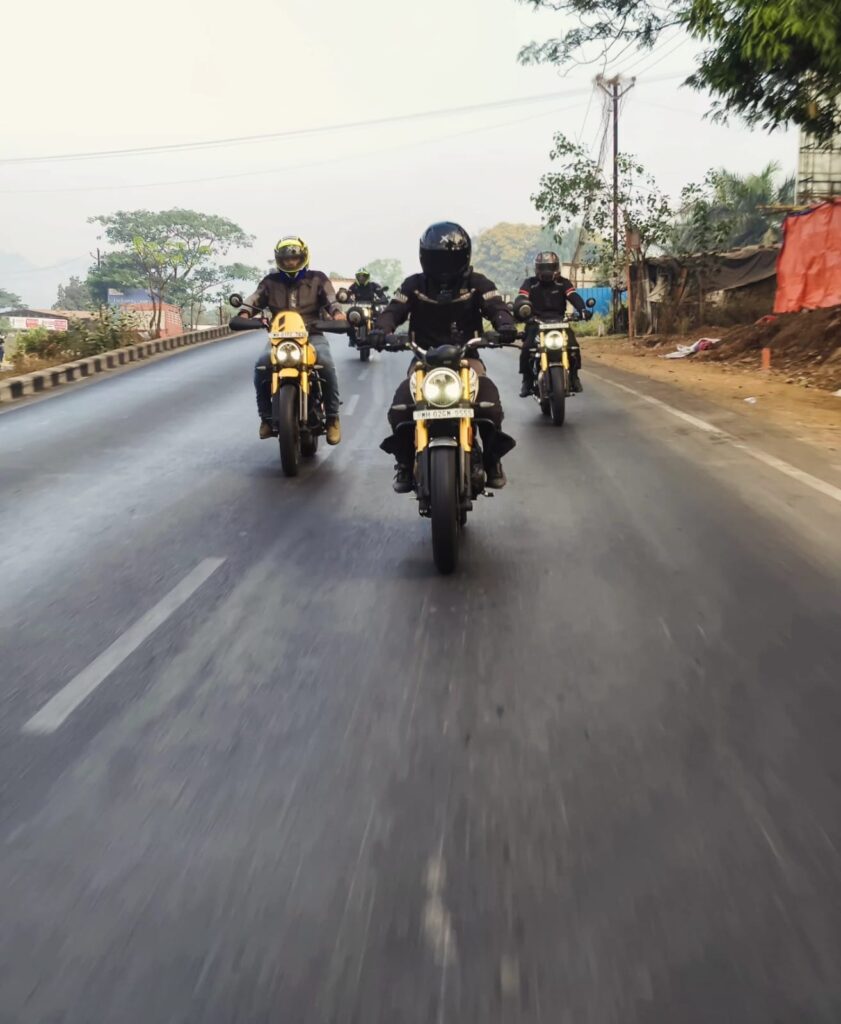
Bhandardara is a quieter alternative to the Mumbai–Pune ghats: a lakeside hill town where the Wilson Dam overflow and Randha Falls become dramatic monsoon spectacles, with Kalsubai—Maharashtra’s highest peak—as a backdrop.
- Distance: ~186 km from Mumbai
- Ride time: 5–6 hours
- Road condition: Generally good, with some narrow stretches near the dam approach
- Difficulty: Moderate — long distance rather than technical difficulty
- Best for: Riders who want lakeside views and a Kalsubai trek option alongside the ride
6. Varandha Ghat (Bhor to Konkan) — Best for Forest Scenery
Varandha Ghat cuts through dense forest between Bhor and the Konkan coast and is prized by riders for its low traffic and thick monsoon canopy, though the surface can be uneven in stretches.
- Distance: ~110 km from Pune via Bhor
- Ride time: 3–3.5 hours
- Road condition: Scenic but patchy in sections; landslide-prone after continuous heavy rain
- Difficulty: Moderate to advanced
- Best for: Riders looking for a quieter, less crowded forest route than Tamhini or Malshej
7. Kasara Ghat — Best Family-Friendly Ghat Ride
Kasara Ghat, on the Mumbai–Nashik route, is comparatively wide and gently graded, which makes it one of the safer monsoon ghats for mixed-experience groups or riders breaking in a new bike.
- Distance: ~120 km from Mumbai
- Ride time: 3–3.5 hours
- Road condition: Smoother and less demanding than Malshej or Tamhini
- Difficulty: Easy to moderate
- Best for: Families, beginners, and riders who want scenery without steep hairpins
8. Matheran–Lonavala Loop via Rajmachi — Best Extended Weekend Loop
For riders based in Pune who want a full-day loop rather than an out-and-back ride, the route towards Rajmachi via Khandala and Tungarli Road adds dirt-adjacent stretches, views of Karla and Bhaja caves, and a stop at Tungarli Lake.
- Distance: ~100 km round trip from Pune
- Ride time: Full day with stops
- Road condition: Mixed tarmac and dirt-adjacent stretches; grip suffers when wet
- Difficulty: Moderate to advanced — dual-sport or grippy tyres recommended
- Best for: Experienced riders wanting a varied, longer monsoon loop
9. Ambenali Ghat (Mahabaleshwar to Konkan) — For Advanced Riders Only
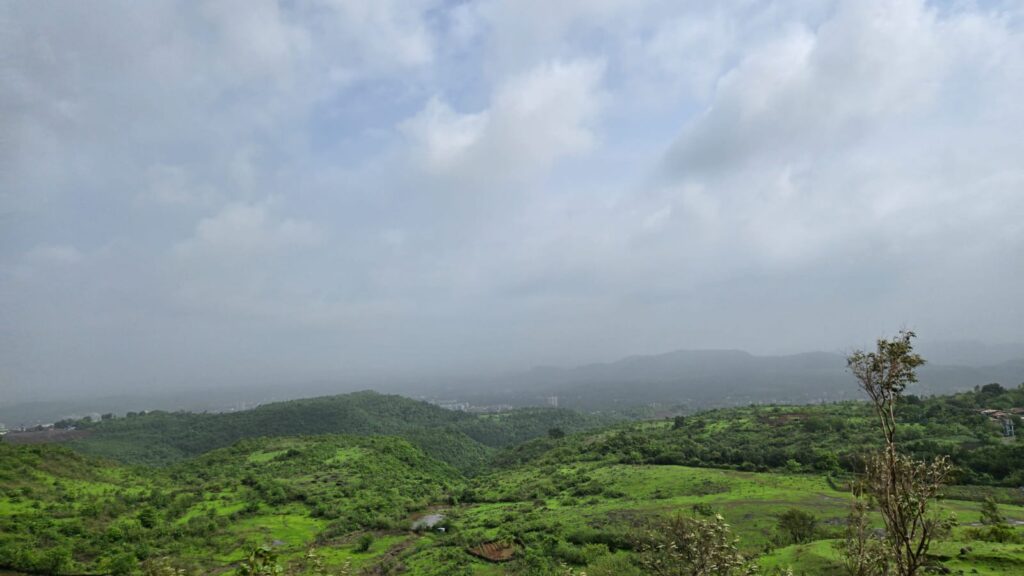
Ambenali is Maharashtra’s longest ghat at roughly 40 km, running through leopard-inhabited Javali forest with a long history of accidents on its steep, poorly lit bends. It is occasionally closed by district authorities during heavy monsoon spells for safety. Include it on your list only if you are an experienced rider, riding in daylight, in a group, with a clear weather window.
- Distance: ~40 km ghat stretch, part of the Mahabaleshwar–Konkan route
- Road condition: Steep, narrow, and accident-prone in wet weather
- Difficulty: Advanced only — not recommended for beginners or solo night riding
- Best for: Experienced riders seeking a serious, scenic challenge — check local closure status before setting out
Comparison Table: Distance, Difficulty and Best For
| Route | Distance | Difficulty | Best For |
| Tamhini Ghat | ~70 km (Pune) | Easy–Moderate | Short waterfall-chasing loop |
| Malshej Ghat | ~127 km (Mumbai) | Moderate–Advanced | Waterfalls & birdwatching |
| Lonavala–Khandala | ~83 km (Mumbai) | Easy | Beginners, families |
| Amboli Ghat | ~450 km | Moderate | Full monsoon weekend |
| Bhandardara | ~186 km (Mumbai) | Moderate | Lakeside views, Kalsubai trek |
| Varandha Ghat | ~110 km (Pune) | Moderate–Advanced | Quiet forest scenery |
| Kasara Ghat | ~120 km (Mumbai) | Easy–Moderate | Family-friendly ride |
| Rajmachi Loop | ~100 km (Pune) | Moderate–Advanced | Extended weekend loop |
| Ambenali Ghat | ~40 km ghat stretch | Advanced only | Experienced riders |
Monsoon Biking Checklist
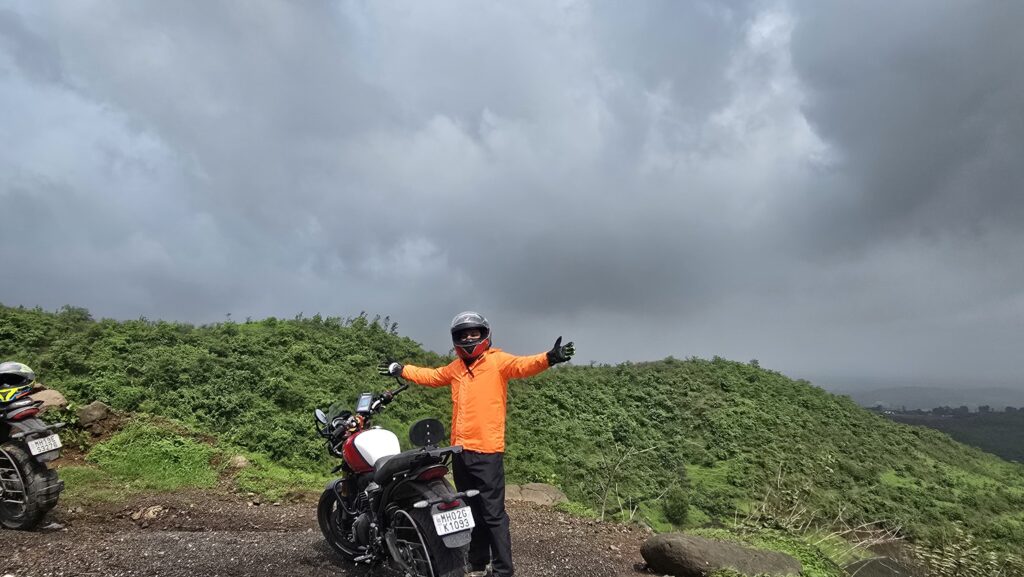
Pack and check these before any monsoon ghat ride:
- Waterproof riding jacket, pants, gloves, and boots
- Clear or anti-fog visor (not tinted — visibility drops fast in mist)
- Tyres checked for tread depth and grip; consider dual-sport or knobby tyres for routes like Rajmachi or Varandha
- Phone and documents in a waterproof pouch — signal drops inside most ghats
- Full fuel tank before entering the ghat; fuel stations thin out fast once you climb
- Basic first-aid kit and a torch/headlamp
- Weather and landslide advisory checked for the specific ghat, same-day
- A riding partner or group — solo rides on advanced ghats (Ambenali, upper Malshej) are not recommended in the monsoon
Expert Riding Tips for Wet Ghat Roads
- Slow down before hairpins, not during them — braking mid-turn on wet tarmac is the single biggest cause of monsoon ghat accidents.
- Never ride or park directly under a waterfall crossing the road — sudden surges carry debris and can knock a two-wheeler off balance.
- Leave by early morning — most ghats get a weekend crowd by mid-morning, and afternoon cloudbursts reduce visibility further; an early start beats both.
- Maintain following distance — spray from the vehicle ahead cuts visibility on narrow ghat roads.
- Avoid night riding on advanced ghats — poor lighting combined with fog and wildlife crossings (notably in Ambenali’s forest stretch) sharply raises risk after dark.
- Check official closure updates on the ride day, not the night before — heavy-rain closures on ghats like Ambenali can be issued with little notice.
FAQs
Which is the safest ghat to bike ride in Maharashtra during the monsoon?
Lonavala–Khandala via the Old Mumbai–Pune Highway and Kasara Ghat are generally considered the safest, thanks to wider, better-maintained roads and fewer sharp hairpins compared with Malshej or Ambenali.
What is the best month to bike ride in Maharashtra’s ghats?
July and August bring the fullest waterfalls and greenest landscapes, though visibility is also at its worst. Late September offers a good balance — strong waterfalls with slightly more settled weather.
Is Tamhini Ghat open for bikers in the monsoon?
Yes, Tamhini Ghat stays open through the monsoon and is one of the most ridden routes in the season, though riders should avoid lingering under waterfall crossings and check for landslide advisories after continuous heavy rain.
Can beginners ride to Malshej Ghat in heavy rain?
It’s not recommended. Malshej’s steeper gradients and sharper bends are better suited to riders with prior wet-weather ghat experience; beginners are better served by Lonavala–Khandala or Kasara Ghat.
Why is Ambenali Ghat sometimes closed during the monsoon?
Ambenali is Maharashtra’s longest ghat and passes through landslide-prone forest terrain with a documented accident history. District authorities periodically close it during heavy rain spells purely for safety, so always check the local advisory before setting out.
What gear is essential for monsoon bike rides in the Western Ghats?
A waterproof jacket and pants, a clear (non-tinted) visor, grippy tyres, a waterproof phone pouch, and a full tank before entering the ghat are the non-negotiables — visibility and traction, not just staying dry, are what monsoon gear is really protecting.
Conclusion
Maharashtra’s monsoon turns its ghats into some of the most rewarding — and most demanding — biking roads in India. Tamhini and Lonavala–Khandala are the easiest starting points for a first monsoon ride; Malshej, Bhandardara, and Varandha reward riders ready for longer distances and trickier turns; and Amboli deserves a full weekend rather than a day trip. Ambenali is worth respecting rather than rushing — check the closure status and go only with a group and daylight on your side.
Whichever route you choose, the fundamentals stay the same: waterproof gear, a checked tyre, an early start, and a same-day weather check. Ride within your limit, and the wettest season of the year becomes Maharashtra’s best riding season, not its riskiest.
Suggested Internal Links
- Link to a “Monsoon Riding Gear Checklist” or gear-review page from the Monsoon Biking Checklist section — readers assembling gear before a ride are a natural next click.
- Link to a Pune or Mumbai “Best Places to Visit Near Mumbai in Monsoon 2026” hub page from the introduction, for readers still deciding on a destination rather than a route.
- Link to a dedicated Harishchandragad or Kalsubai trek guide from the Malshej Ghat and Bhandardara sections, since both routes double as trek starting points.
- Link to a bike-rental or bike-servicing page from the Expert Riding Tips section, aimed at riders without their own two-wheeler.
- Link to a “Uncharted Monsoon Trails: Remote Indian Sanctuaries 2026” seasonal guide from the FAQ on best months, for readers planning beyond monsoon.
Suggested External References
- Maharashtra Tourism (Department of Tourism, Government of Maharashtra) — official Amboli Ghat and hill-station pages
- India Meteorological Department (IMD) — regional monsoon and rainfall advisories
- District administration / local RTO advisories — for real-time ghat closure updates (e.g., Ambenali, Varandha)
- Wikipedia — background reference for ghat history and geography (Ambenali Ghat entry)